
Ambient That Breathes
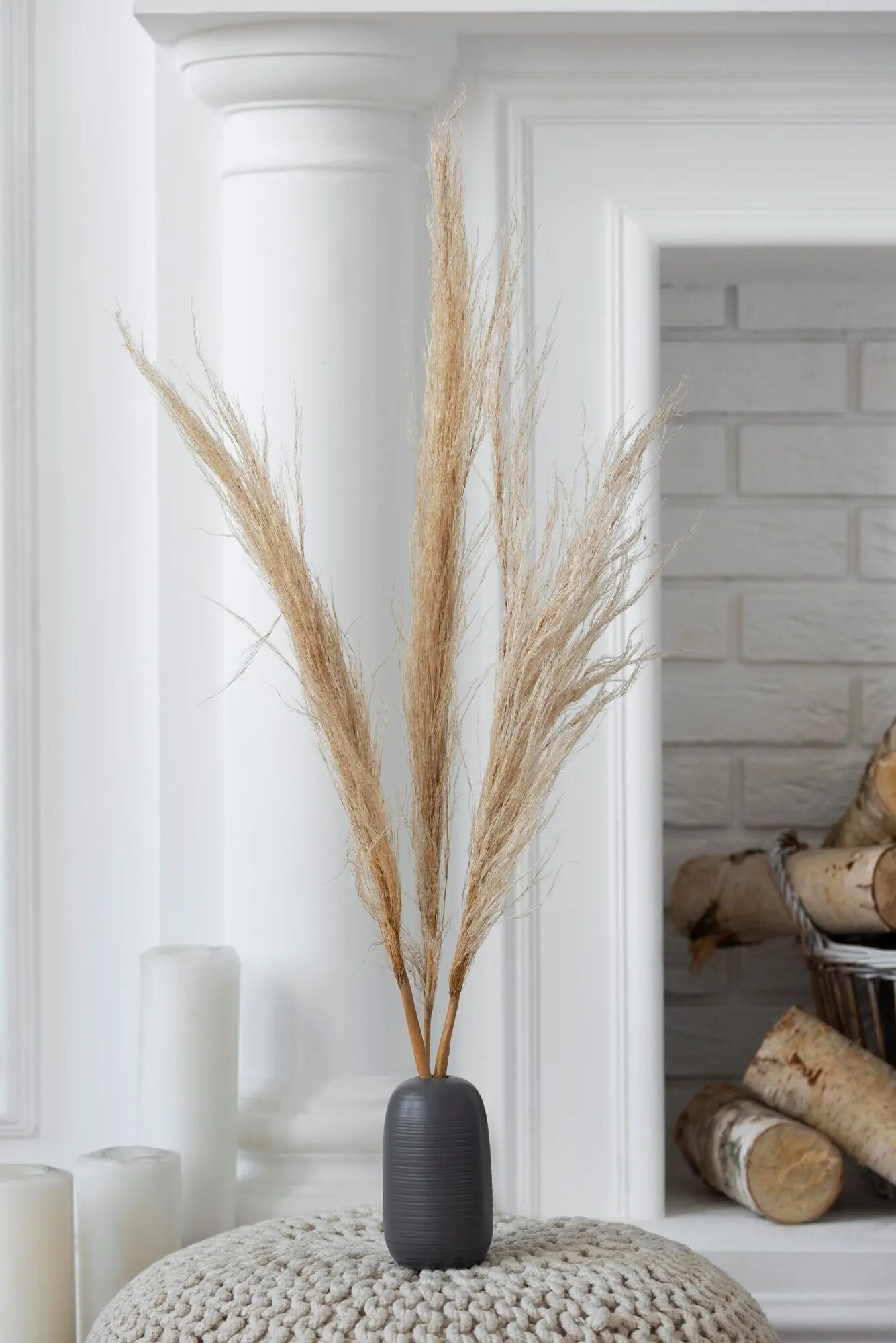
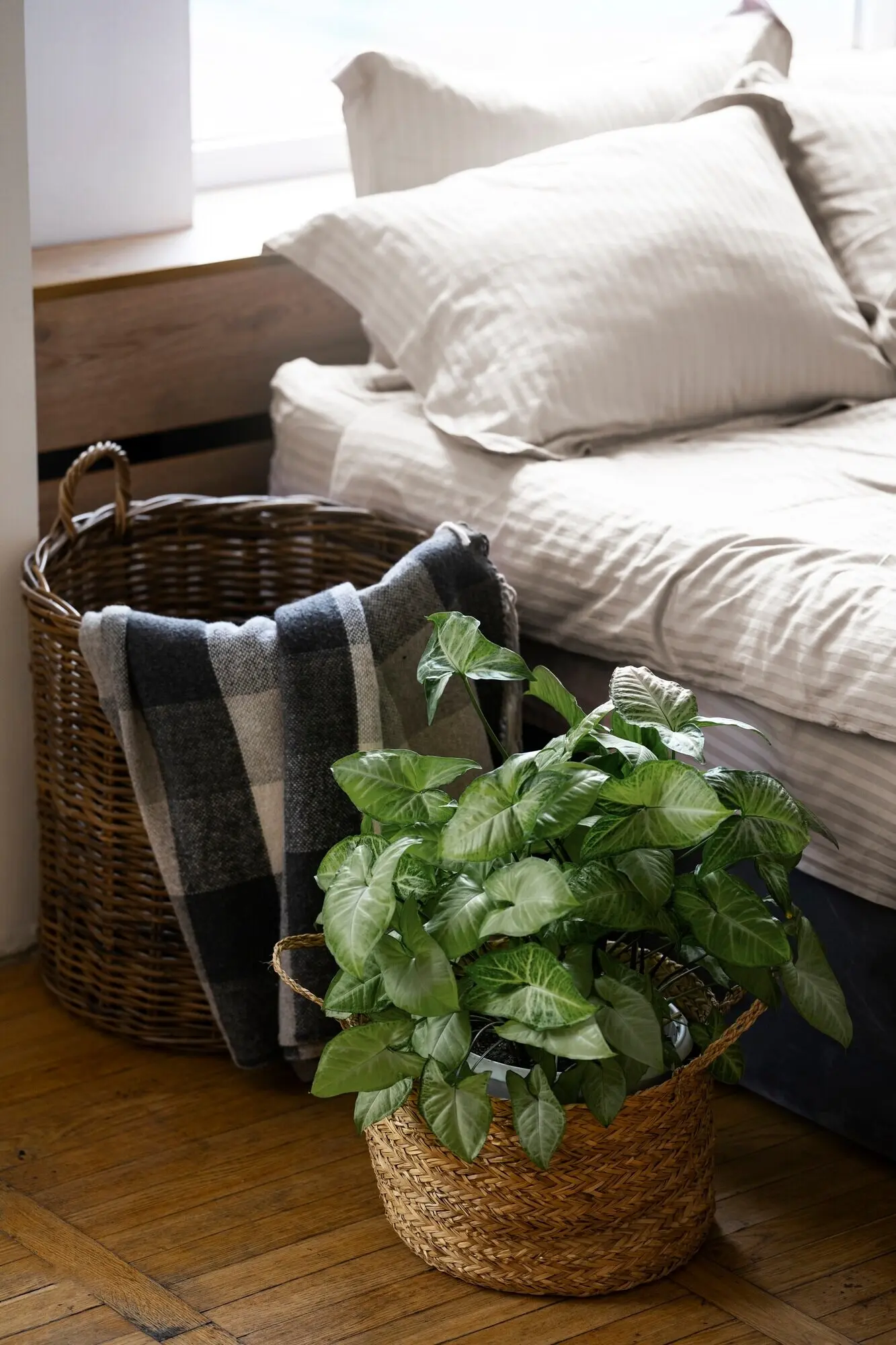
Trade harsh downlights for diffused sources: shaded pendants, cove lighting, or wall grazers that bounce warm light. Aim for a soft, even baseline that leaves room for contrast. Too much brightness flattens space; the right softness makes surfaces read luxurious. Ambient light should support movement and conversation, never dominate. By letting corners stay slightly dim, you generate depth without adding objects. This restraint is the signature of quiet, polished interiors that feel considered and calm.
Task with Grace
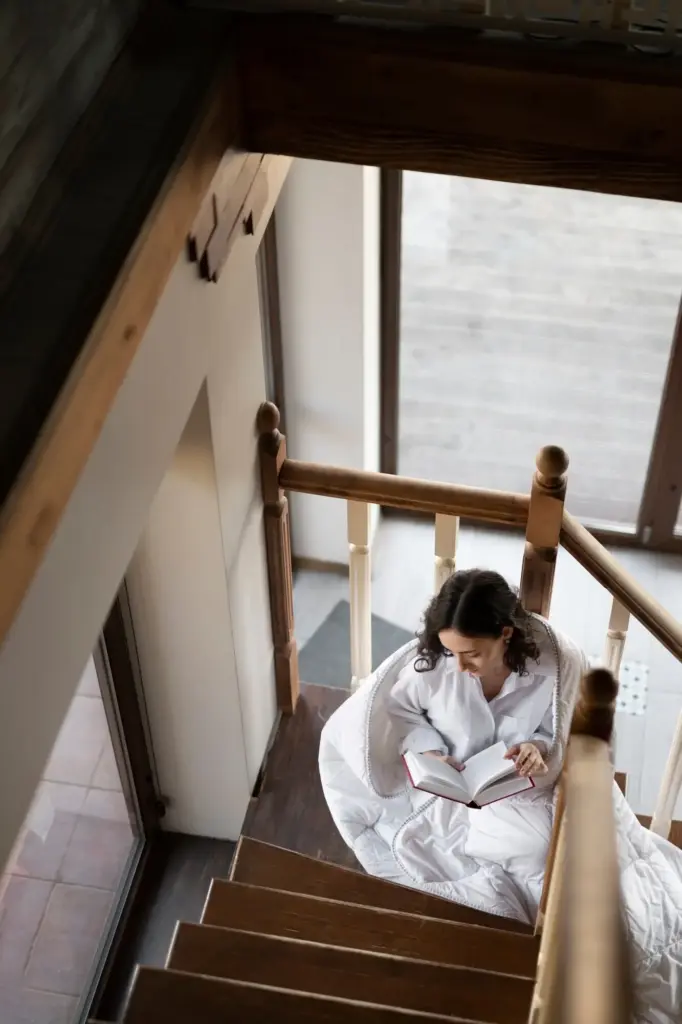
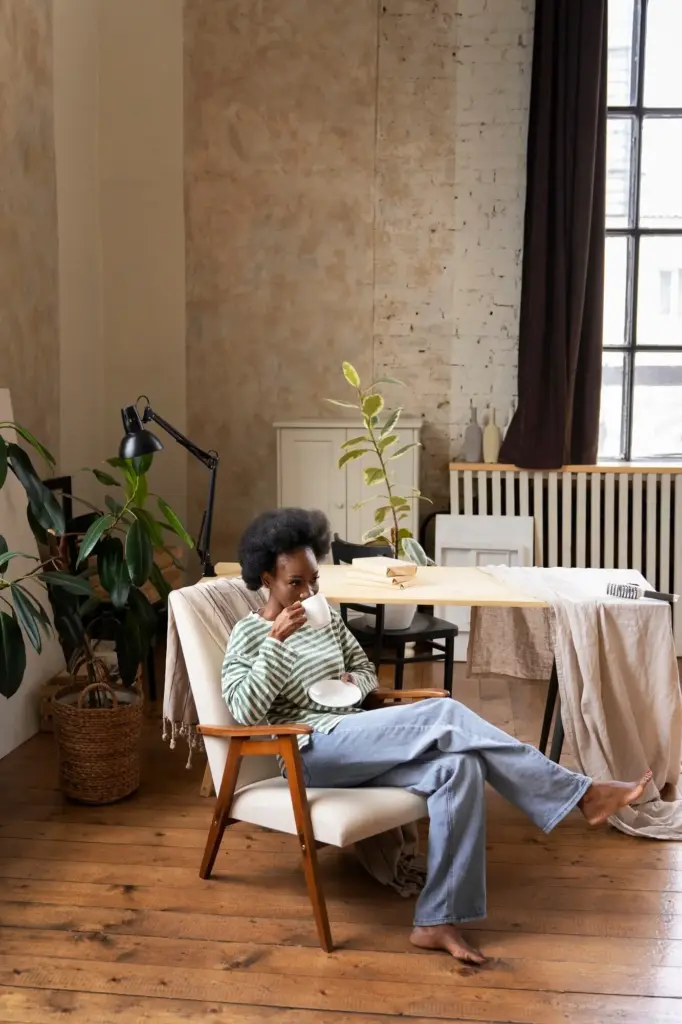
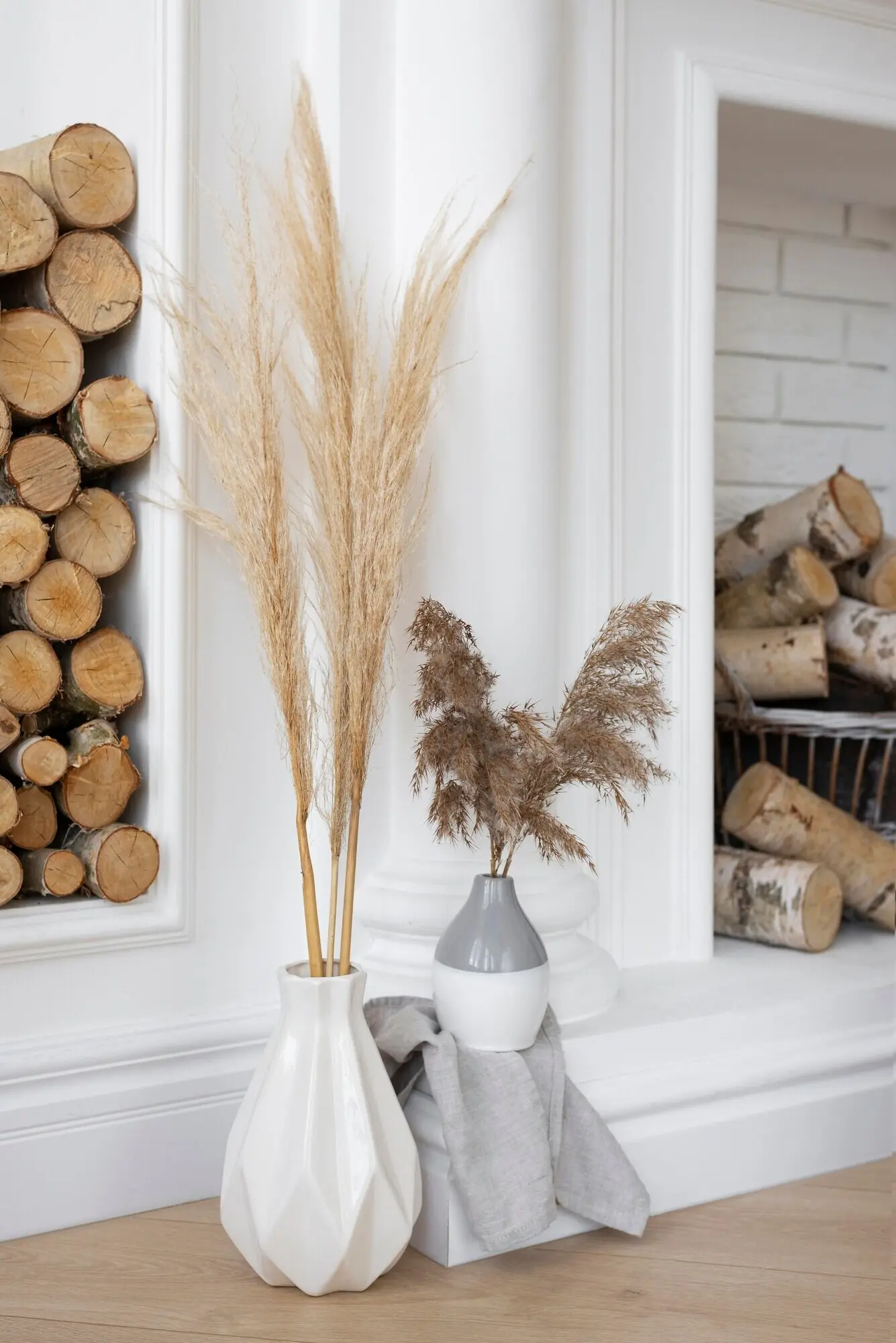
Illuminate tasks precisely without losing atmosphere. Use swing-arm sconces at reading chairs, slim LED strips under cabinets for cooking, and discreet desk lamps with cutoff shades for work. Keep glare shielded and color temperature dependable. When task lights echo the material palette—linen, bronze, opal—the function blends into the room’s character. Small apartments especially benefit from portable, plug-in options, which deliver capability without construction. Purposeful beams, softened edges, and dimming make productivity feel soothing, not clinical.

Accent That Whispers
Accent light should coax, not shout. Try a narrow-beam spotlight on artwork with a warm filter, or a tiny uplight beneath a sculptural fern. Edge-light a stone niche to reveal veining. These gestures draw the eye to texture, memory, and craft, replacing clutter with meaning. Ensure accents are on a separate circuit or smart scene, so they float gently in the evening. With intention, even one accent transforms mood, turning compact corners into soulful destinations.